I tried to drill into a concrete foundation wall with a standard drill and a masonry bit. 20 minutes later, I had a 1/4″ hole and a burned-out bit.
A hammer drill does the same job in 15 seconds. Concrete, brick, stone, block — the hammering action turns what would be impossible into routine work.
The Hammer Drill That Handles Concrete Like Wood
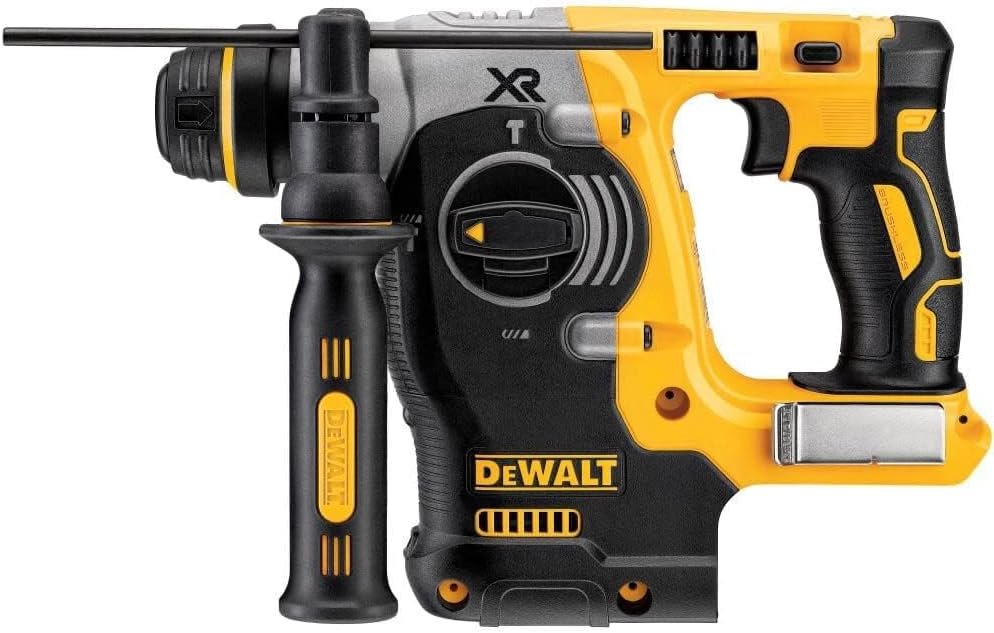
This is one of Amazon’s top-rated hammer drills in the $80–$160 range — combining rotary drilling with a hammering percussion action (up to 30,000 BPM) that breaks masonry apart rather than just spinning against it.
What makes a quality hammer drill reliable:
- Dual-mode: drill mode for wood/metal, hammer drill mode for masonry
- 7–10 amp motor for sustained power through dense materials
- Variable speed trigger from 0–3,000 RPM
- SDS or keyed chuck depending on model — SDS for frequent bit changes
- Side handle for two-handed control during high-resistance drilling
- Depth stop rod for consistent hole depths
👉 Click the hammer drill you’re reading about to check current pricing and included bits on Amazon
When You Actually Need a Hammer Drill
A standard drill with a masonry bit barely scratches concrete. A hammer drill is required for:
- Mounting shelves, TV brackets, or hardware to concrete or masonry walls
- Installing anchor bolts in foundation walls or concrete floors
- Running conduit or pipes through block walls
- Installing outdoor fixtures in brick or stone
- Any project where the surface is harder than drywall or wood framing
For projects that combine masonry drilling with precision, the $74 laser level on AnythingIsFixable ensures mounting points are perfectly level before drilling into permanent surfaces.
Before vs. After Owning a Hammer Drill
Before:
- 20+ minutes struggling to make a single hole in concrete
- Burning through masonry bits in one session
- Avoiding any project that involved masonry walls
- Hiring contractors for jobs that are actually straightforward
After:
- 1/4″ hole in concrete: 15 seconds
- 1/2″ anchor hole: under 2 minutes
- Concrete basement walls mounted with shelving, panels, and brackets
- Bit life dramatically longer — working with the material, not against it
Masonry Drilling Tips That Save Bits and Time
- Start with a smaller pilot hole (1/4″) before drilling to final diameter — reduces load and improves accuracy.
- Use water on the bit for longer drilling sessions — masonry generates significant heat that dulls bits fast.
- Apply steady forward pressure — don’t force it. Let the hammer action do the breaking work.
- Clear dust from the hole periodically — packed dust reduces efficiency and can bind the bit.
- Mark depth on your bit with tape — prevents drilling deeper than anchors require.
A hammer drill and a reliable $30 flexible drill bit extension cover tight-angle drilling situations that standard drills and bits simply can’t reach.
Q&A: Hammer Drill Questions DIYers Ask
Q: Corded vs. cordless hammer drill?
Corded for concrete and masonry — sustained power matters significantly when the material is this hard. Cordless is convenient for occasional use but runs down batteries fast in masonry.
Q: Do I need an SDS drill or a standard chuck?
For occasional home use, a standard keyed chuck hammer drill is fine. For frequent masonry work, SDS (slotted drive system) chucks allow faster bit changes and better bit retention.
Q: What bits do I need for concrete?
Carbide-tipped masonry bits are the standard. For larger holes (1/2″+ in hard concrete), upgrade to SDS carbide bits for significantly better performance.
Q: Is it dangerous for beginners?
It’s a powerful tool that requires two-handed grip and firm footing. The main risks are bit binding causing torque kickback — use the side handle and keep a firm stance.
Final Take
A hammer drill is the tool that opens up masonry work entirely. Without one, concrete walls are off-limits for DIY mounting and installation. With one, they’re just another surface.
If you own a home with a basement, garage, or brick exterior, you need this in your toolkit.
Concrete. Brick. Stone. Done.
Affiliate disclosure: This article may contain affiliate links. If you purchase through them, AnythingIsFixable.com may earn a small commission at no additional cost to you.