My gas mower died mid-season last year and I spent two weekends troubleshooting a carburetor that ultimately needed a $90 rebuild. While it sat in the garage disassembled, I borrowed a neighbor’s cordless electric mower to keep the lawn from becoming a meadow. I returned it three days later and ordered my own because the experience was that much better.
No gas, no oil, no pull-start ritual, no carburetor to clean. Press a button, mow, plug in the battery when done. My half-acre yard took about 45 minutes on a single charge, and the cut quality matched my gas mower in every condition except extremely tall wet grass.
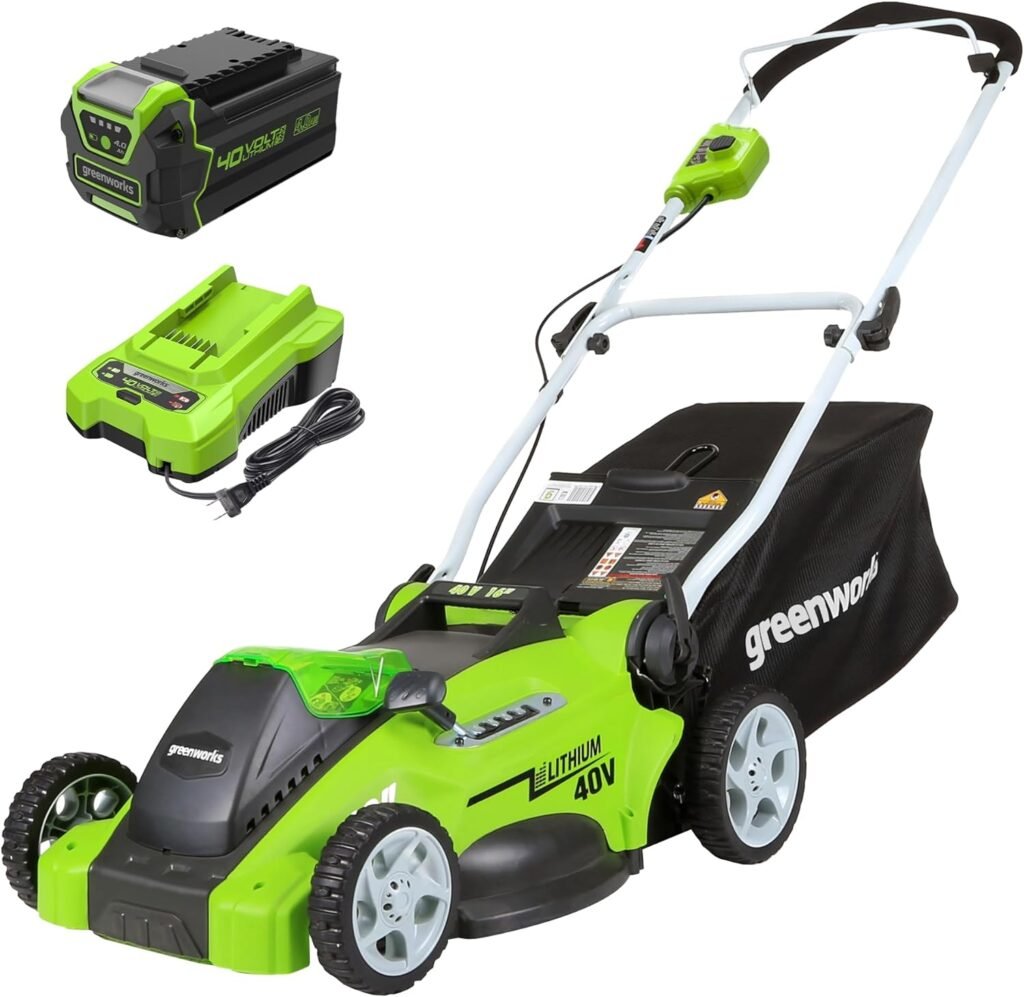
The Cordless Electric Mower Built for Suburban Yards
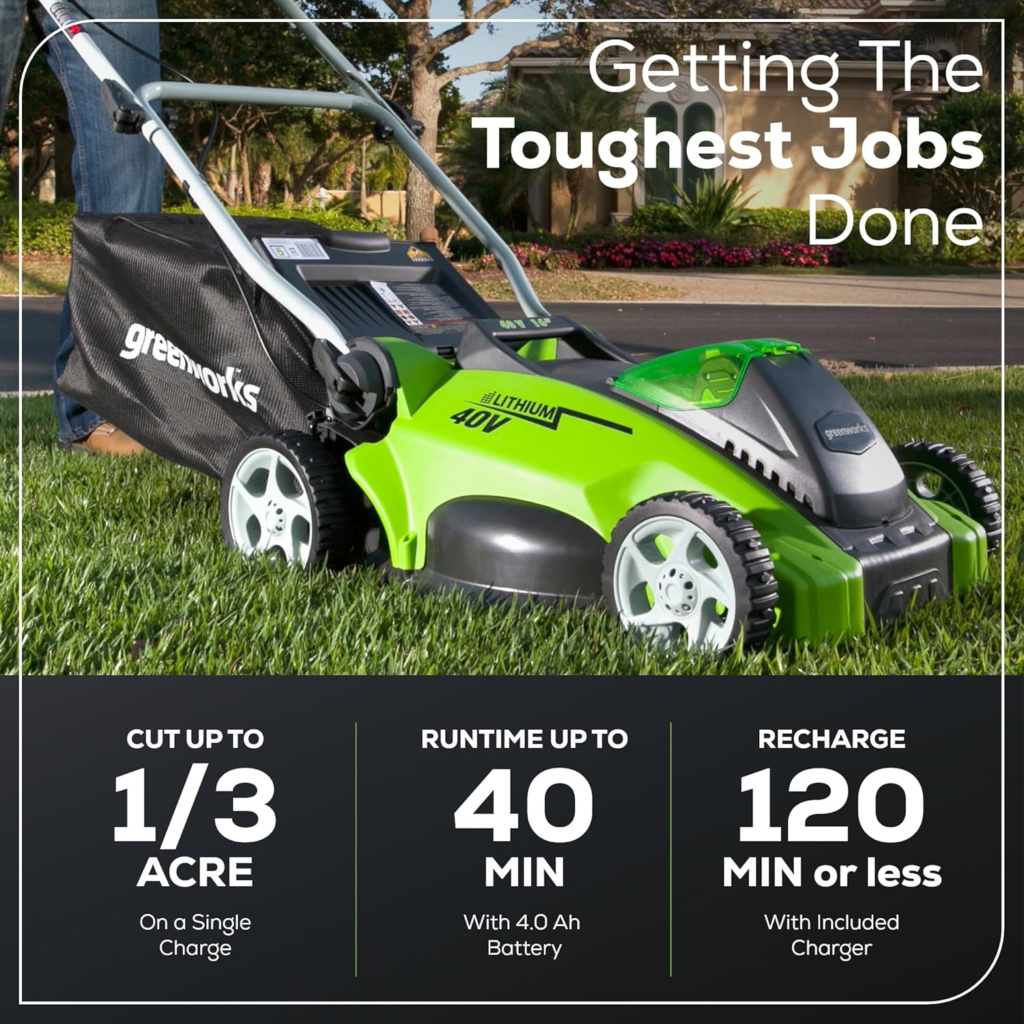
This is one of Amazon’s top-rated cordless push mowers in the $250–$450 range — featuring a 56V lithium battery with 45–60 minute runtime, 20–21 inch cutting deck, adjustable cutting height, and mulch/bag/side-discharge capability.
What separates a capable cordless mower from a weak one:
– 56V battery platform — 40V models struggle on thick grass and slopes, 56V provides gas-equivalent power
– 45+ minute runtime on a single charge — enough for up to half an acre of average-height grass
– 20–21 inch cutting deck — wide enough for efficiency, narrow enough to maneuver around beds and trees
– Steel deck construction — plastic decks crack, warp in heat, and don’t hold up to rock strikes
– Mulch, bag, and side-discharge options — flexibility for different lawn conditions and seasons
Electric vs. Gas: What You Gain and What You Lose
The tradeoffs between cordless electric and gas mowers are straightforward in 2026:
– Electric gains: instant start, zero emissions, drastically quieter, no fuel or oil maintenance, lighter weight
– Electric loses: limited runtime per charge (45–60 min), slightly less power in thick wet grass, battery replacement cost every 3–5 years
– Gas gains: unlimited runtime, higher peak power for overgrown or wet conditions
– Gas loses: pull-start hassle, annual maintenance (oil, spark plug, air filter, carburetor), noise complaints from neighbors, fuel costs
– For yards up to half an acre with regular mowing schedules, electric cordless is the better experience for most homeowners
If you’re doing a complete spring yard maintenance overhaul beyond just mowing, the pressure washer guide for home use covers how to combine power washing with lawn care for a full curb-appeal reset.
Before vs. After Switching to Cordless Electric
Before:
– Pull-starting the gas mower took 5–15 attempts on cool mornings — frustrating before the job even started
– Annual maintenance: oil changes, spark plugs, air filters, carburetor cleaning — $50–$100/year in parts alone
– Gas smell on hands and clothes after every mow — lingered for hours
– Neighbors annoyed by noise — couldn’t mow early morning or evening without complaints
After:
– Press button, mow — zero starting friction, zero warm-up time
– Zero maintenance beyond blade sharpening and battery charging — no oil, no gas, no filters
– Quiet enough to mow at 7 AM without waking anyone — genuine quality-of-life improvement
– Half-acre done on one charge with 10–15 minutes of battery to spare

5 Tips for Getting Maximum Life From a Cordless Mower
– Mow on a regular schedule so grass never gets more than a third taller than your cutting height — overgrown grass drains the battery 40% faster.
– Sharpen the blade at least twice per season — a dull blade tears grass instead of cutting it, which uses more battery power and stresses the motor.
– Store the battery indoors at room temperature — extreme cold and heat degrade lithium battery capacity permanently.
– Don’t mow soaking wet grass — electric mowers handle damp grass fine but standing-water conditions reduce cut quality and strain the motor.
– Buy a second battery if your yard is borderline for single-charge coverage — hot-swapping a charged battery mid-mow is faster than waiting 30 minutes for a recharge.
For the other spring outdoor tools that benefit from going cordless, the cordless tool buying guide explains how battery platform compatibility lets you share batteries across mowers, trimmers, blowers, and drills from the same brand.
Q&A: Cordless Mower Questions People Search For
Q: Can a cordless mower handle a half-acre yard?
A 56V mower with a 5.0Ah battery can handle a half-acre of average grass on a single charge. If your grass is consistently thick or tall, a second battery provides insurance. For yards over 3/4 acre, gas or a riding mower may be more practical.
Q: How long do mower batteries last before replacement?
Lithium batteries typically last 3–5 years or 500+ charge cycles before capacity drops noticeably. Replacement batteries cost $100–$200 depending on voltage and capacity — still cheaper than years of gas and maintenance.
Q: Are cordless mowers powerful enough for thick grass?
56V models handle thick grass well. The key is mowing regularly so grass doesn’t get excessively tall. If you let it grow 6+ inches between cuts, any mower — gas or electric — will struggle. Regular cutting schedules keep electric mowers performing at their best.
Q: Is the cut quality the same as gas?
On regular-height grass, yes — modern brushless electric motors spin the blade at comparable RPM to gas engines. The only scenario where gas has an edge is extremely thick, wet, tall grass where the gas engine’s unlimited runtime and peak torque provide an advantage.
Final Take
A cordless electric mower is the upgrade most homeowners should have made two seasons ago. The battery technology in 2025–2026 models handles half-acre yards on a single charge, the maintenance savings are real, and the mowing experience is genuinely better in every way except the most extreme grass conditions.
Press start. Mow quietly. No gas, no oil, no hassle.
One charge. Half-acre done. Gas mower retired.
Affiliate disclosure: This article may contain affiliate links. If you purchase through them, AnythingIsFixable.com may earn a small commission at no additional cost to you.