I hung a 55-inch TV using toggle bolts because I couldn’t confidently find a stud. Six months later, the toggle gave out on one side at 11 PM with a very loud sound.
After that, I invested in a proper stud finder. Finding studs is now a 30-second job, and everything I mount into walls goes into actual wood.
The Reliable Stud Finder That Takes the Guesswork Out of Wall Work
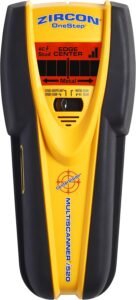
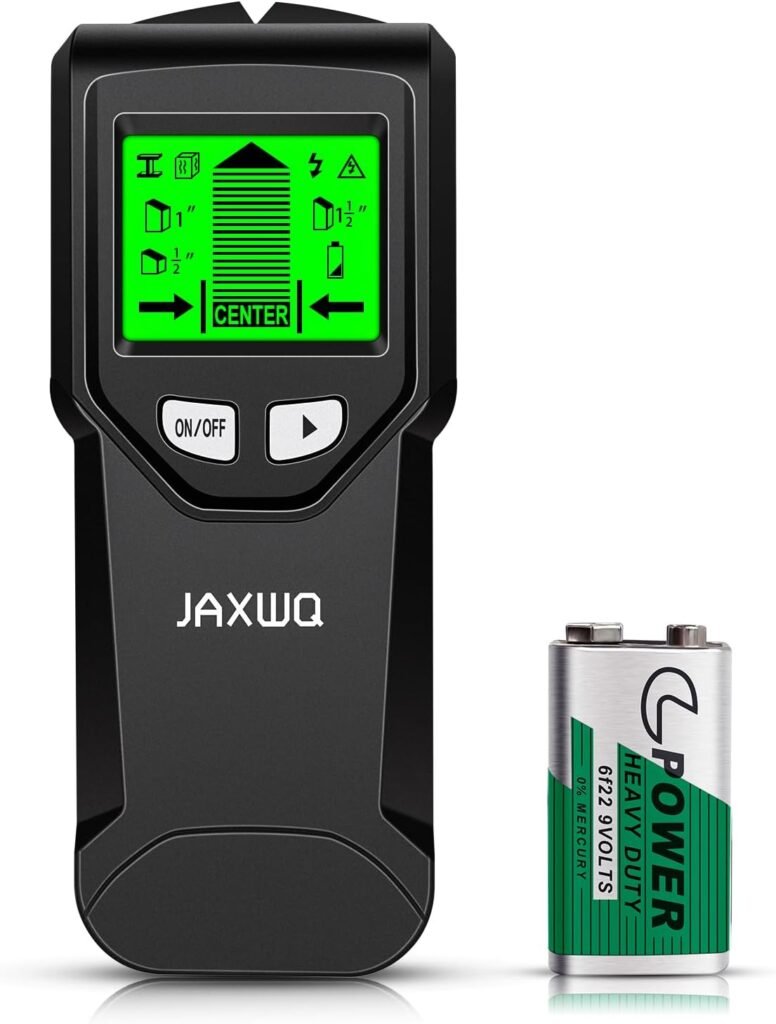
This is one of Amazon’s top-rated electronic stud finders in the $20–$55 range — combining magnetic detection for metal fasteners with electronic sensing for wood studs, pipes, and live wires behind drywall.
What makes a quality model reliable:
- Multi-mode scanning: stud center, AC wire detection, deep scan
- Magnetic mode for locating drywall screws (which are always in studs)
- LED and audio indicators so you don’t miss edges
- Deep scan mode for thicker walls, plaster, or tile
- Flat back for flush contact with textured surfaces
👉 Click the stud finder you’re reading about to check current pricing and scan modes on Amazon
The Right Way to Find a Stud Every Time
Most stud finder failures come from technique, not the tool. Here’s the reliable method:
- Start 6 inches from where you expect the stud — never start directly on it.
- Slide slowly from left to right in a single smooth motion at consistent pressure.
- Mark both edges of the stud, then center-mark between them for the true center.
- Verify with a second pass moving right to left — marks should agree.
- Use a small finishing nail at the marked center to confirm before drilling — probes in 1/4″ to test.
For large or heavy wall mounts, the $74 laser level review on AnythingIsFixable pairs perfectly with the stud finder for level, centered installations.
What You Can Mount Safely With Stud-Located Anchors
Studs support dramatically more weight than drywall anchors:
- Flat-screen TVs up to 150+ lbs — stud mount only for anything over 30 lbs
- Floating shelves with books or heavy decor
- Towel bars, grab bars, and bathroom hardware under heavy use
- Wall-mounted bike racks and heavy sports equipment
- Kitchen wall cabinets — always into studs regardless of weight
Before vs. After Using a Proper Stud Finder
Before:
- Knocking on walls trying to hear a change in sound — unreliable
- Toggle bolts used as a workaround for missed studs
- Pilot holes in the wrong spot — extra patch work
- A TV that pulled out of the wall (expensive, humiliating lesson)
After:
- Stud found in under a minute on every project
- Heavy items mounted confidently with lag screws into solid wood
- Zero failed mounts in three years of use
- AC wire detection prevents drilling into live electrical
Q&A: Stud Finder Questions DIYers Ask
Q: Do stud finders work on plaster walls?
Yes, but use the deep scan mode and go slowly. Plaster is denser and may require multiple passes for reliable detection.
Q: Why does my stud finder keep getting false positives?
Usually caused by texture variations, damp drywall, or moving too fast. Calibrate against a known empty section before scanning.
Q: How far apart are studs typically?
16 inches on center in most US residential construction; 24 inches in some newer builds. Once you find one, mark at 16″ increments both directions.
Q: Is the magnetic method more reliable than electronic?
The magnetic method (finding drywall screws) is actually very reliable and never gives false readings. Use both methods and let them agree before drilling.
Final Take
A dependable stud finder is the cheapest insurance policy for wall-mounted anything. The $30 spent on a good one has saved me hundreds in patched drywall and replaced equipment.
If you hang things on walls, own one. Every homeowner or renter doing DIY needs this in the toolkit.
Find the stud. Mount it right. Done.
Affiliate disclosure: This article may contain affiliate links. If you purchase through them, AnythingIsFixable.com may earn a small commission at no additional cost to you.