Some rooms in my house were warm. Others felt like a basement in January.
The thermostat said everything was fine — but half my radiators were ice cold at the top.
This $48 radiator bleed key kit fixed the issue in under an hour.
The Simple Kit That Restored Heat Fast
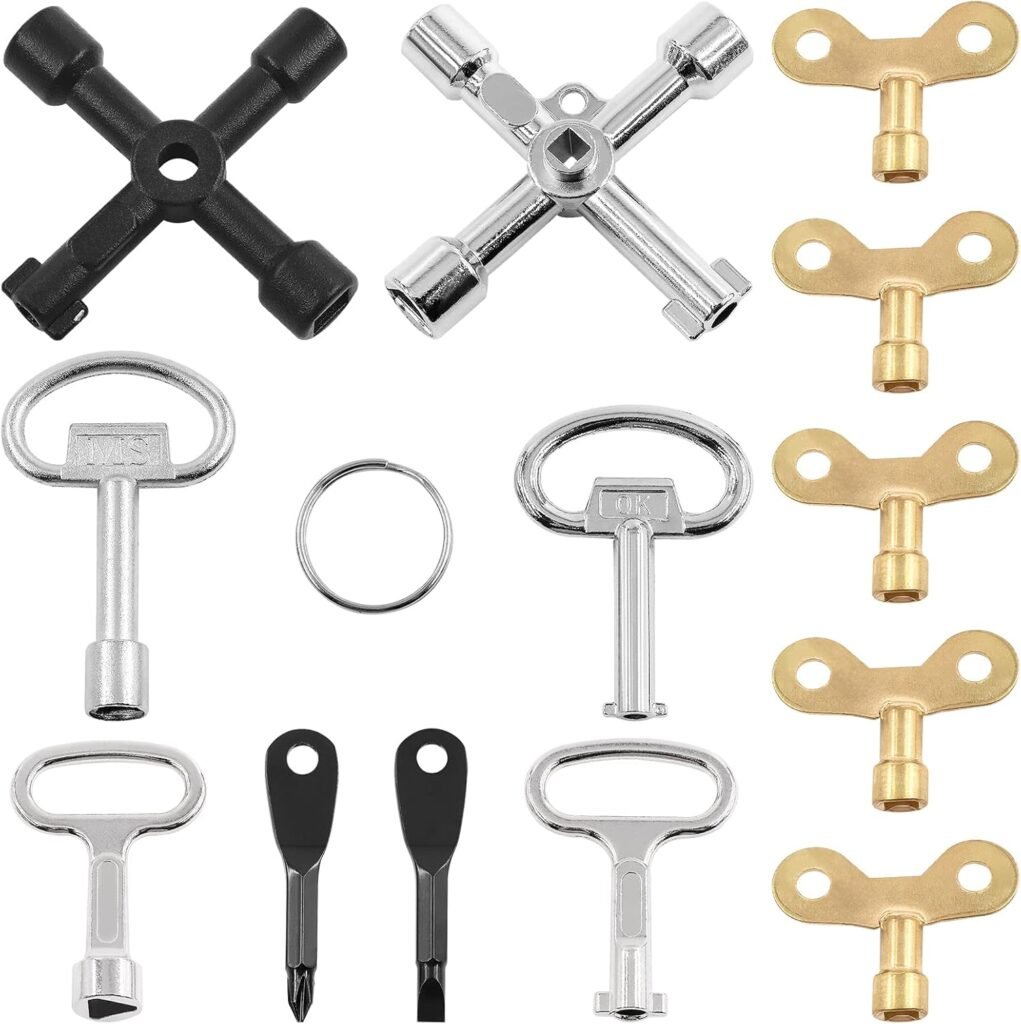
This is one of Amazon’s top-rated radiator bleed key kits in the ~$15 range — designed for hydronic (water-filled) radiator systems.
What it includes:
- Multiple bleed keys (fits different valve types)
- Durable brass or steel construction
- Small bleed container or accessories
- Compact storage case
That’s it. No complicated tools. No plumber required.
👉 Click the radiator bleed kit you’re reading about to check current pricing and compatibility
Why Radiators Go Cold at the Top
If your radiator is warm at the bottom but cold at the top, trapped air is usually the culprit.
Air pockets:
- Block hot water circulation
- Reduce heating efficiency
- Force your boiler to work harder
- Create uneven room temperatures
Bleeding the radiator releases that trapped air and allows hot water to fill the entire unit again. It’s one of those small fixes that makes a major difference.
Before vs After Bleeding the Radiators
Before:
- Cold upper radiator panels
- Uneven heating across rooms
- Boiler running longer
- Higher heating bills
After:
- Fully warm radiators
- Even room temperatures
- Faster heating cycles
- Noticeably better comfort
The difference was immediate — you can actually hear the air hiss out as pressure equalizes.
Tips for Bleeding Radiators Safely
- Turn the heating system off first
Let pressure stabilize before opening the valve. - Keep a towel handy
A small amount of water may escape. - Open slowly
You only need a slight turn to release air. - Close once steady water flows
That means the air pocket is gone.
If you’re already doing seasonal home maintenance, this fits right alongside other precision tasks where having the right tool matters — like using a laser level for accurate installs and adjustments.
Q&A: Radiator Bleeding Questions Homeowners Ask
Q: How often should I bleed radiators?
Usually once per year before winter — or anytime you notice cold spots.
Q: Is this safe to do myself?
Yes, as long as you follow basic precautions and your system is standard hydronic.
Q: What if water keeps coming out?
Once steady water flows (without air sputtering), close the valve immediately.
Q: Will this lower my heating bill?
It can — especially if your system was working inefficiently due to trapped air.
Final Take
This $14 radiator bleed key kit fixed a problem that made my house uncomfortable for months — and it took less than an hour.
If your radiators are cold at the top or rooms heat unevenly, this is one of the simplest, highest-ROI fixes you can make before calling a professional.
Even heat. Better efficiency. No service call required.
Affiliate disclosure: This article may contain affiliate links. If you purchase through them, AnythingIsFixable may earn a small commission at no additional cost to you.